Digital Transformation Consultant in Dubai for UAE Businesses Ready to Modernize and Grow
Build a practical roadmap for strategy, AI, automation, CRM, reporting and customer experience, without buying technology before the business problem is clear.
Many UAE companies already use websites, ads, WhatsApp, CRM tools and spreadsheets. The challenge is that these systems often work separately. digitalTransformation.ae helps business owners connect the right processes, people, data and technology so growth becomes easier to manage and measure.
No login required. No data is submitted by the readiness check.
Strategy Layer
Roadmap, priorities and decisions.
AI Layer
Useful automation, insights and support.
Growth Layer
Leads, reporting and customer journey.
2026 business guide
What Is Digital Transformation?
Digital transformation is the coordinated redesign of how a business creates value, serves customers and runs operations by using digital capabilities, data, automation and new ways of working.
It is not a one time software project. A website, cloud platform, CRM or AI assistant can support transformation, but the real change happens when strategy, customer experience, processes, technology and people work as one operating system.
Digitization, Digitalization and Digital Transformation Are Not the Same
The three terms describe different levels of change. Understanding the difference prevents a business from mistaking a new tool for a complete transformation.
| Level | What changes | Simple UAE business example | Main result |
|---|---|---|---|
| Digitization | Information moves from physical to digital format. | Paper quotations are scanned and stored online. | Information becomes easier to access. |
| Digitalization | An existing process becomes faster through a digital tool. | Quotation approval moves from printed signatures to an online workflow. | The same process becomes more efficient. |
| Digital transformation | The business redesigns the process, ownership, data flow and customer experience. | Website, WhatsApp, CRM, quotation, reminders and reporting are connected from inquiry to sale. | The business operates and competes in a better way. |
What Are the Four Main Areas of Digital Transformation?
There is no single universal framework. For practical business planning, these four areas give owners and managers a balanced view of what needs to change.
Strategy and Business Model
Clarify the business outcome, value proposition, priorities, ownership and where digital capability can create advantage.
Customer Experience
Improve discovery, inquiry, response, purchase, service and retention across website, search, WhatsApp, email and other channels.
Operations and Processes
Remove repeated work, unclear handoffs, slow approvals and manual reporting from the workflows that matter most.
Technology, Data and Organization
Select the right systems, improve data quality, define access and ownership, then help people adopt the new way of working.
What Are the Five Pillars of Digital Transformation?
A useful five pillar model separates the major responsibilities so technology does not receive all the attention while customers, processes and people are ignored.
Strategy
Business goals, priorities, leadership and investment logic.
Customer
Customer needs, journeys, channels, service and experience.
Process
Workflows, automation, accountability and operational efficiency.
Technology and Data
Platforms, integration, data quality, reporting, security and scalability.
People and Change
Skills, communication, adoption, training and continuous improvement.
Important: Frameworks use different labels and different numbers of pillars. The strongest model is the one that keeps your business outcome clear and prevents any critical area from being ignored.
What Are the Main Types of Digital Transformation?
Most projects combine more than one type, but these categories help define the scope and the level of change required.
Process Transformation
Redesign how work moves, such as lead handling, approvals, quotation, service requests or reporting.
Business Model Transformation
Change how value is created or revenue is generated, for example moving from one time sales to a managed service model.
Product or Service Transformation
Create a new digital service, customer portal, self service journey or data enabled offering.
Cultural and Organizational Transformation
Improve decision making, collaboration, digital skills, ownership and the ability to adapt continuously.
Best practical example
A Dubai Trading Company Connects Inquiry, Quotation, Follow Up and Reporting
Before transformation, customer inquiries arrive through website forms, WhatsApp, calls and email. Salespeople record details differently, quotations take time, follow ups depend on memory and management cannot see a reliable pipeline.
The transformation is not simply installing a CRM. It is redesigning the complete lead to sale process, assigning ownership, connecting the channels, standardizing the quotation workflow and measuring response time, conversion and pending opportunities.
Is AI a digital transformation? AI can be an important enabler, but AI alone is not the full transformation. It becomes valuable when it is connected to reliable data, a defined workflow, responsible ownership and a measurable business outcome.
UAE Digital Context and Official Resources
UAE and Dubai strategies place strong emphasis on digital services, data, artificial intelligence, digital competitiveness, talent and connected infrastructure. These official resources provide useful national and city context for business leaders.
What we fix
Four Business Systems That Usually Need Attention First
Most transformation work starts with visibility, follow up, automation and reporting.
Lead Follow Up
Capture, assign and follow up inquiries more consistently across website, ads and WhatsApp.
CRM and Sales Tracking
Create clearer pipeline visibility so owners and teams know what is active and what needs action.
AI and Automation
Find useful ways to reduce repetitive work, support responses and improve internal workflows.
Reporting and Dashboards
Turn marketing, sales and workflow activity into clearer business signals.
Common starting problems
This Usually Starts With a Simple Business Frustration
“We are getting leads but not tracking them properly.”
“Our team follows up manually and things get missed.”
“We run ads but do not know what is working.”
“We want to use AI but do not know where to start.”
“Our reports are scattered across too many tools.”
“We need a clear roadmap before buying more software.”
The real gap
Your Business May Be Digital, But Is It Truly Connected?
Websites, ads, WhatsApp, CRM, spreadsheets and teams often work separately. That is where growth becomes harder to manage.
Disconnected Tools
Your website, ads, WhatsApp, CRM, emails and spreadsheets may be active, but they may not be working as one clear business system.
Manual Follow Up
Leads can be missed when follow up depends only on memory, messages or repeated manual coordination.
Weak Reporting
Marketing and sales decisions become difficult when reports are scattered across different tools and do not show the full picture.
Digital transformation services
Digital Transformation Services in Dubai and Across the UAE
Start with the business outcome, map the current process, then select the right technology and implementation scope.
Strategy and Roadmap
Define business outcomes, priorities, ownership, phases, dependencies and the measures that will show whether the transformation is working.
Audit and Maturity Assessment
Review customer journeys, lead flow, workflows, systems, data, reporting and team adoption to identify the most important gaps.
AI Opportunity Mapping
Identify useful AI applications for customer response, sales support, reporting, knowledge access, content workflows and repeated internal tasks.
Process and Workflow Automation
Design practical workflows that reduce repeated work, clarify handoffs and keep inquiries, tasks, approvals and updates moving.
CRM and Sales Transformation
Create a clearer lead capture, assignment, qualification, quotation, follow up and pipeline management structure.
Marketing and Customer Journey
Connect search visibility, campaigns, landing pages, WhatsApp, sales response and customer communication around one measurable journey.
Data, KPIs and Dashboards
Define the information management needs, improve reporting logic and build views that support better decisions instead of more reports.
Adoption and Change Enablement
Plan ownership, communication, training and practical adoption so the new process is used consistently after launch.
Clear scope matters: Complex ERP development, cybersecurity, cloud infrastructure or custom software engineering may require specialist implementation partners. The consulting roadmap defines the problem, requirements, priorities and measurement plan so the right technical work is selected and coordinated.
Choose your starting point
What Exactly Can You Start With?
Choose the starting point that matches your current business situation. No pricing is shown because every roadmap depends on the business setup.
Digital Transformation Audit
A practical review of your website, lead flow, marketing channels, sales process, customer journey, reporting and digital gaps.
AI and Automation Roadmap
A focused roadmap for using AI and automation in practical areas such as responses, reporting, sales support and repeated workflows.
CRM, Lead Flow and Reporting Setup
A practical plan to organize inquiries, follow up, CRM stages, reporting views and management visibility across lead sources.

Digital transformation strategy
Digital Transformation Strategy for Dubai and UAE Businesses
Before choosing tools, software or automation, your business needs clarity.
What is slowing growth? Where are leads dropping? Which tasks are repeated? Which systems should connect? What should management actually track?
A digital transformation strategy gives your business a clear roadmap before implementation begins, helping you avoid random tool selection and focus on useful improvement.
Business Goal Review
Understand what your business wants to improve, from lead generation to reporting and team efficiency.
Digital Gap Analysis
Review your website, marketing channels, CRM, communication and internal processes.
Transformation Roadmap
Create a clear action plan for AI, automation, marketing, sales, reporting and customer experience.
Implementation Priorities
Decide what should be fixed first, what can wait and what will create the most useful improvement.
AI business transformation
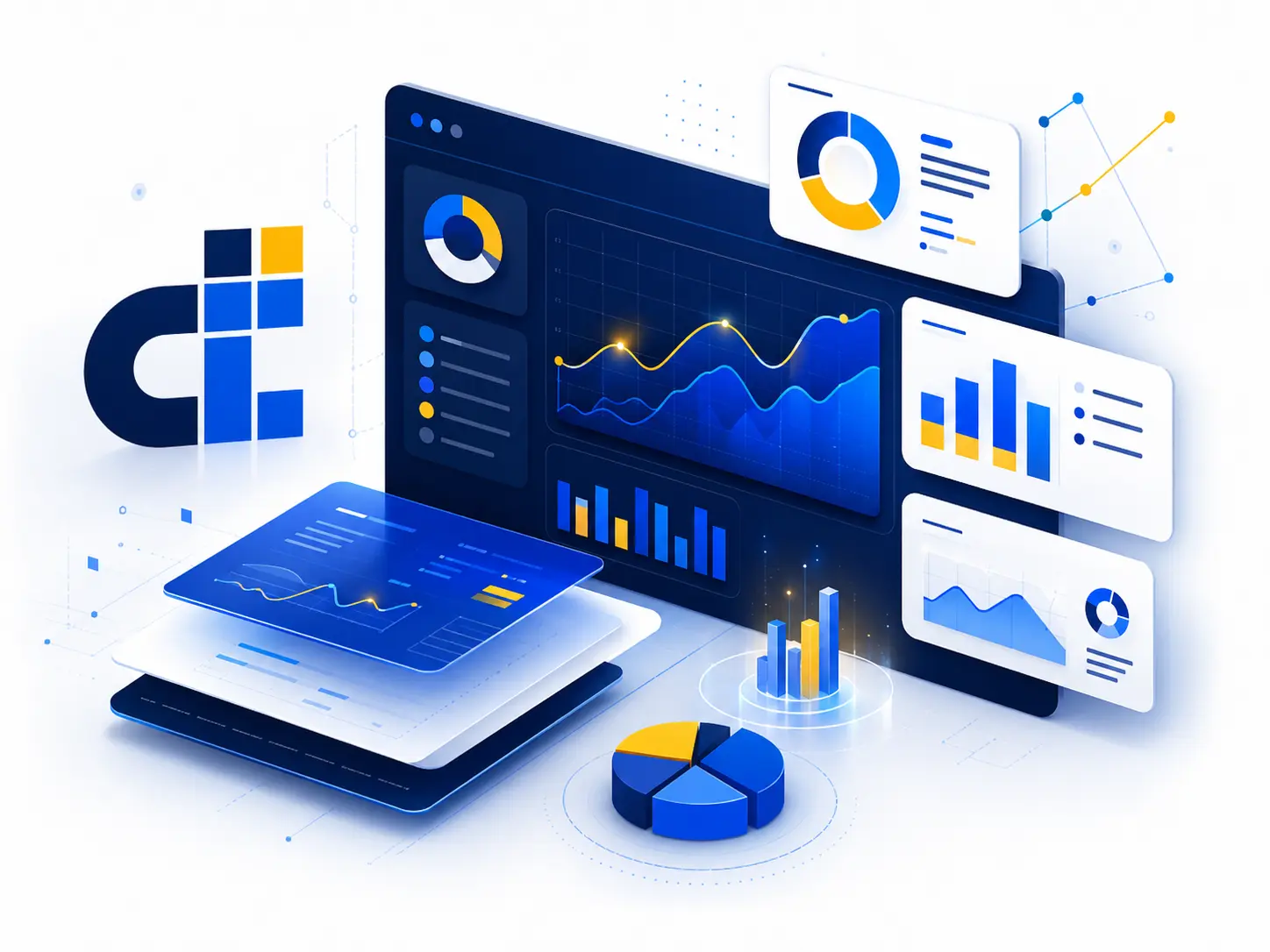
AI Digital Transformation With Practical Business Use Cases
AI should improve a defined workflow, decision or customer experience, not become another disconnected tool.
The right AI business transformation plan starts with practical questions: where is your team spending too much time, which customer questions repeat often, where do reports take too long and which sales or marketing tasks can become faster?
Business automation
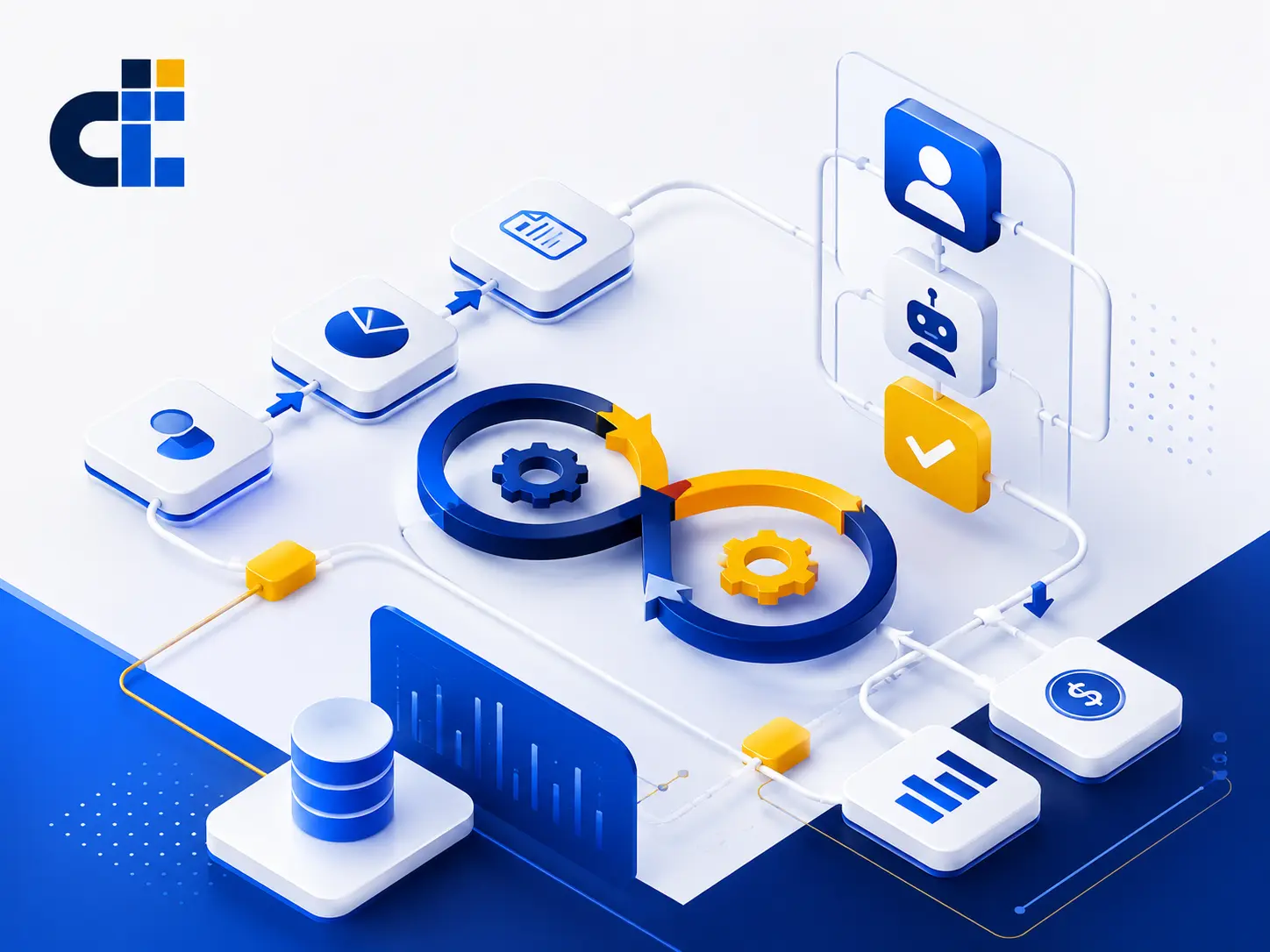
Business Automation That Improves Follow Up, Reporting and Efficiency
Automation works best when it solves a real business problem.
A useful automation system can connect website forms, WhatsApp inquiries, CRM records, email updates, task reminders, sales follow ups and reporting dashboards.
Interactive review
How Ready Is Your Business for Digital Transformation?
Move each slider from 0 to 5. Your score updates instantly and gives a practical starting point.
No login required. No data is submitted. The score works fully inside your browser.
Starter roadmap
A Clear Path From Review to Improvement
A simple roadmap makes transformation easier for owners, managers and teams to understand.
Review
Understand goals, tools, lead flow and current gaps.
Find Gaps
Identify what is manual, unclear or disconnected.
Prioritize Systems
Choose the systems that matter first.
Build Automation
Create practical workflows and process support.
Track and Improve
Use reporting to refine the system over time.
Full roadmap
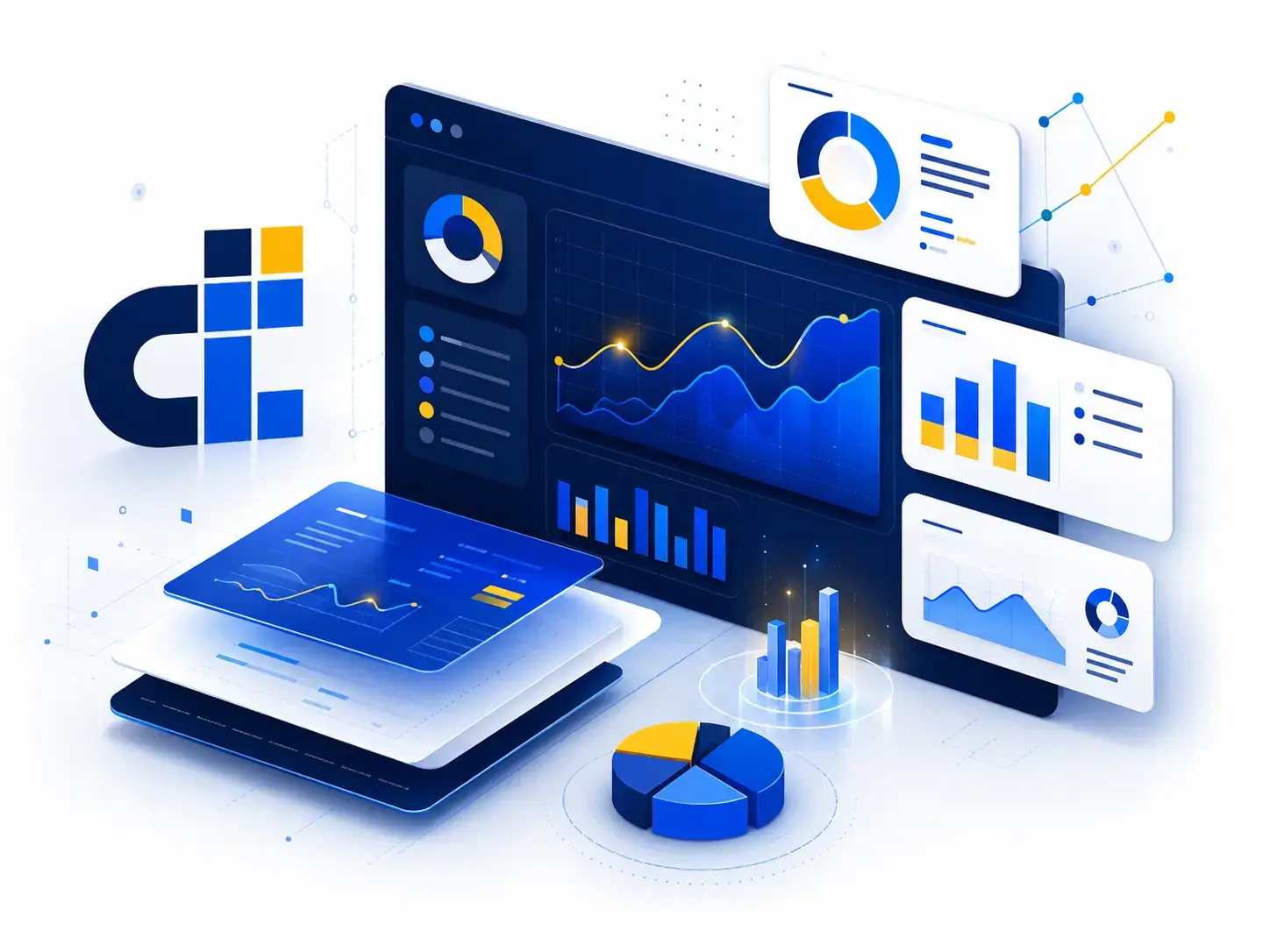
Our Digital Transformation Roadmap
A practical step by step approach from review to implementation.
The roadmap moves from your current business situation to a clearer plan, practical systems and ongoing improvement.
Business Review
We understand your business goals, current digital setup, lead flow, tools, team process, reporting and growth challenges.
Gap Analysis
We identify what is disconnected, manual, unclear, duplicated or slowing down performance.
Transformation Strategy
We create a practical roadmap covering strategy, AI, automation, marketing, sales, reporting and customer experience.
System Planning
We recommend the right tools, workflows and digital improvements based on business priority.
Review and Improve
We review progress, refine the system and improve based on real business feedback.
Measurement and governance
How to Measure Digital Transformation Progress
A transformation should be measured by business outcomes, process improvement, customer experience and adoption, not by the number of tools purchased.
Growth and Financial Outcomes
- Qualified lead and conversion improvement
- Revenue influenced by digital channels
- Cost, time or rework reduced
- Payback and return on investment
Operational Performance
- Response and approval time
- Manual steps removed
- Error and duplication rate
- Cycle time from inquiry to delivery
Experience and Service
- Customer response time
- Completion and abandonment rate
- Customer satisfaction signals
- Repeat business and retention
People and Usage
- Active usage of the new process
- Training and task completion
- Workarounds and exceptions
- Team confidence and ownership
Visibility and Decision Quality
- Required fields completed correctly
- Reliable source and pipeline reporting
- Fewer conflicting spreadsheets
- Faster management decisions
Speed and Continuous Improvement
- Time from idea to usable release
- Priority work completed by phase
- Issues resolved after feedback
- Improvements delivered over time
Why transformation projects lose momentum
A stronger delivery approach
Digital transformation UAE
Digital Transformation for Businesses Across Dubai and the UAE
The priorities vary by sector, but the common goal is a more connected customer journey, clearer operations, reliable data and stronger control over growth.

Trading and Wholesale
Organize product inquiries, quotation, supplier communication, sales follow up and pipeline reporting.
Professional Services
Improve consultation requests, qualification, scheduling, proposals, client communication and retention.
Real Estate and Property
Connect listings, campaigns, portals, WhatsApp inquiries, agent assignment and lead follow up.
Retail and Ecommerce
Improve product discovery, conversion, order communication, customer data and repeat purchase journeys.
Construction and Technical Services
Structure project inquiries, site requests, quotation, documentation, task ownership and client updates.
Logistics and Distribution
Improve order visibility, status communication, exception handling, reporting and customer service workflows.
Clinics and Healthcare Services
Improve appointment requests, patient communication, follow up and management visibility with appropriate controls.
Hospitality and Experiences
Connect discovery, booking inquiries, guest communication, service recovery and feedback across channels.
What makes the UAE context different?
Many businesses serve multilingual audiences, receive inquiries through several channels, operate across emirates and expect fast mobile communication. A local roadmap should account for this customer behavior while keeping data ownership, permissions, security and team adoption clear.
Practical resources
Digital Transformation Tools and Calculators for UAE Businesses
Explore practical tools, prompts, calculators and planning resources that help you think clearer, plan faster and improve your digital growth system.
Use the right tool for the right business question.
Filter by category or search by name. Each resource opens in a new tab and supports planning, campaigns, readiness, AI prompts, calculators or templates.
16 tools available
Featured starting point: Marketing Simulator and Readiness
Before scaling budget or automation, check whether your funnel is ready for stronger growth activity.
Why choose us
Why Choose digitalTransformation.ae?
Practical transformation guidance for businesses that want clarity before complexity.
Business First Approach
We start with your goals, process, customers and team workflow before recommending tools.
Clear Roadmap
You get a structured transformation direction instead of random service suggestions.
Practical AI and Automation
We identify useful areas where AI and automation can support real business work.
UAE Business Understanding
The strategy is designed around how businesses in Dubai and the UAE manage leads and teams.
No Hype, No Fake Promises
The focus is practical improvement, better systems, clearer reporting and stronger direction.
Strategy Before Complexity
Transformation should be understandable for business owners and usable by teams.
Choosing the right partner
How to Choose a Digital Transformation Consultant or Company in Dubai
The strongest partner should help you define the problem and the outcome before proposing a platform, license or large implementation.
Starts With Business Outcomes
The discussion should begin with revenue, service, customer, process or risk outcomes, not a preselected product.
Maps the Current State
A credible proposal shows how work happens today, where data moves, who owns each step and where the real friction exists.
Explains the Delivery Scope
You should know what is advisory, what is configuration, what needs engineering and which party is accountable for each deliverable.
Includes People and Adoption
Training, communication, process ownership and usage checks should be included instead of treated as an afterthought.
Defines KPIs Before Launch
A baseline and target should be agreed before implementation so success can be measured honestly.
Avoids Unnecessary Lock In
Recommendations should fit the business, existing systems, team capability and future needs rather than forcing complexity.
Use cases
Digital Transformation Use Cases
Practical improvements that can make a real difference in daily business.
Normal digital activity
Digital transformation
Lead Follow Up Automation
Connect website forms, WhatsApp inquiries and CRM tasks so fewer leads are missed.
Sales Pipeline Visibility
Track where inquiries come from, who is following up and what stage each opportunity is in.
Marketing Performance Clarity
Connect ads, SEO, landing pages and reports so marketing decisions become easier.
Example scenarios
Example Transformation Scenarios
These are practical examples, not client case studies or performance claims.
Service Business With Weak Follow Up
SituationA company receives inquiries from website, WhatsApp and ads.
GapFollow up is inconsistent and depends on manual messages.
Better systemLead capture, CRM stages, reminders and reporting are connected.
Trading Company With Manual Sales Tracking
SituationA trading business depends on spreadsheets, phone calls and manual notes.
GapManagement cannot easily see what is active, delayed or missed.
Better systemAutomation helps organize inquiries, assign tasks and track opportunities.
Ads Without Clear Visibility
SituationA company runs campaigns but cannot clearly see which inquiries are serious.
GapMarketing activity is active, but reporting does not support business decisions.
Better systemBetter tracking and reporting connect campaign activity with sales decisions.
Exploring AI Without Direction
SituationA business wants to use AI but does not know where to begin.
GapAI tools are tested randomly without a clear business purpose.
Better systemAI opportunity mapping identifies practical use cases in sales, support, content and reporting.

Practical guidance for strategy, AI, automation, reporting and connected growth systems.
Consultant and author
Digital Transformation Guidance Grounded in UAE Business Reality
I am Mohammed Noushad, a Dubai based digital marketing and transformation consultant working with business owners on visibility, lead flow, sales follow up, automation, reporting and practical AI adoption.
My approach is business first. I review the customer journey and operating process, identify the most valuable gaps, then define a clear roadmap before recommending technology. This is especially useful for UAE small and mid sized companies that need better systems without unnecessary enterprise complexity.
When a project requires specialist ERP, cloud, cybersecurity or custom software engineering, the roadmap defines the requirements and implementation scope so the right technical partner can be selected and managed clearly.
Digital transformation questions
Frequently Asked Questions About Digital Transformation
Clear, direct answers for business owners and decision makers in Dubai and across the UAE.
Digital transformation means redesigning how a business works and delivers value by connecting strategy, customer experience, processes, technology, data and people. It is broader than adding a new website or software tool.
Reinvention. The goal is not merely to digitize an old process, but to rethink how the business creates value and adapts using digital capability.
A practical four area model covers strategy and business model, customer experience, operations and processes, and the technology, data and organizational foundation that supports them.
A useful five pillar model is strategy, customer, process, technology and data, and people and change. Different frameworks use different labels, but a balanced plan should cover all five responsibilities.
Assess the current state, prioritize the highest value problems, design the future process and roadmap, implement in manageable phases, then measure adoption and business outcomes so the system keeps improving.
The main types are process transformation, business model transformation, product or service transformation, and cultural or organizational transformation. Many real projects combine several types.
A strong example is a trading company that connects website, WhatsApp, CRM, quotation, approval, reminders and dashboards into one managed lead to sale process. The improvement comes from redesigning the workflow, not simply installing a CRM.
AI can enable digital transformation, but AI alone is not the full transformation. It should be connected to reliable data, a defined workflow, responsible ownership and a measurable business outcome.
Digitization converts information into digital form. Digitalization improves an existing process with digital tools. Digital transformation redesigns the process, customer experience, operating model and value delivery around digital capability.
A consultant reviews the current business model, customer journey, workflows, systems, data and team practices, identifies the most important gaps, creates a phased roadmap and helps coordinate the right implementation scope.
Start with a current state and maturity review. Identify one or two workflows where the gap between business impact and current performance is highest, then set a baseline, owner and measurable target before selecting tools.
There is no fixed finish line. A focused workflow may improve within weeks or months, while broader operational and cultural transformation continues in phases over several years. The right timeline depends on scope, readiness, data and adoption.
Measure business impact, process speed, customer experience, active adoption, data quality and financial return. Every phase should have a baseline and target before implementation begins.
Common causes include choosing technology before defining the problem, weak ownership, poor data, unclear scope, trying to change too much at once and underplanning communication, training and adoption.
Cost depends on the problem, number of workflows, systems, integration, data condition, team size and implementation depth. A focused audit and roadmap should come before a large software or engineering commitment.
Yes, when the scope is practical. Small and mid sized businesses often gain value from clearer lead capture, CRM discipline, faster follow up, automated reminders, better reporting and a more connected customer journey.
Digital marketing is one part of transformation. It attracts and converts demand, while digital transformation also connects sales, service, operations, data, automation, reporting and team adoption around the customer journey.
Choose a partner that starts with business outcomes, maps the current process, explains who will deliver each part, includes adoption and measurement, protects data and avoids recommending unnecessary tools or vendor lock in.
Start with clarity
Ready to Build a Clear Transformation Roadmap?
Start with a practical review of your business goals, current digital setup, process gaps and growth opportunities.
You do not need to transform everything at once. You need to know what matters first. Let us identify the best starting point for strategy, AI, automation, marketing, reporting, customer experience and growth.
No pressure. No confusing digital language. Just a clear conversation about where your business is now and what can be improved next.
Digital transformation consultation
Request Your Digital Transformation Roadmap
Share the current situation and the form will prepare a structured WhatsApp inquiry for a practical first review.
Direct contact: Call +971 50 859 8388 or use the WhatsApp form. No confidential system access or sensitive customer data is required for the first discussion.